Logo
 

The Louis J. Sima Great Lakes Marsh

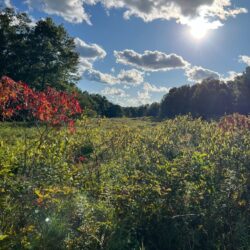
In 2002, the Sima Family of New Buffalo donated 156 acres to create the Louis J. Sima Great Lakes Marsh, located on the Galien River in New Buffalo. The land is environmentally significant as one of the few Great Lakes marshes remaining in southwest Michigan. Its area is vast, including river channels and narrow shrub borders. In addition, it is adjacent to the Galien River County Park Preserve, which contains upland as well as marshland. In total, the marsh and the park preserve a total of 250 acres for future generations.

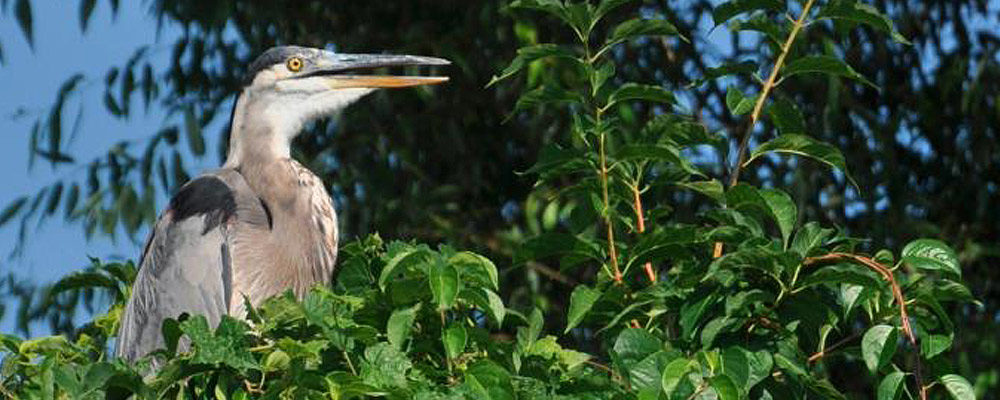
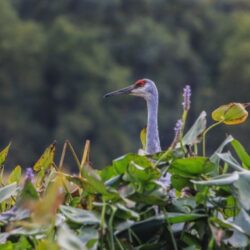
The Sima Marsh is a non-forested wetland directly influenced by and connected to Lake Michigan. It provides important habitat for migrating and breeding waterfowl shorebirds, including osprey, Double-crested Cormorant, Black-crowned Night Heron, Cooper’s Hawk, Northern Harrier, Caspian Tern, Forester’s Tern, and the Black Tern, all of which are threatened or special concern species.  It is also habitat to spawning fish and medium sized mammals (muskrat, fox, etc.) and a variety of reptiles and amphibious creatures including the threatened Blanding’s Turtle, Blanchard’s Cricket Frog, and the Massasauga Rattlesnake.

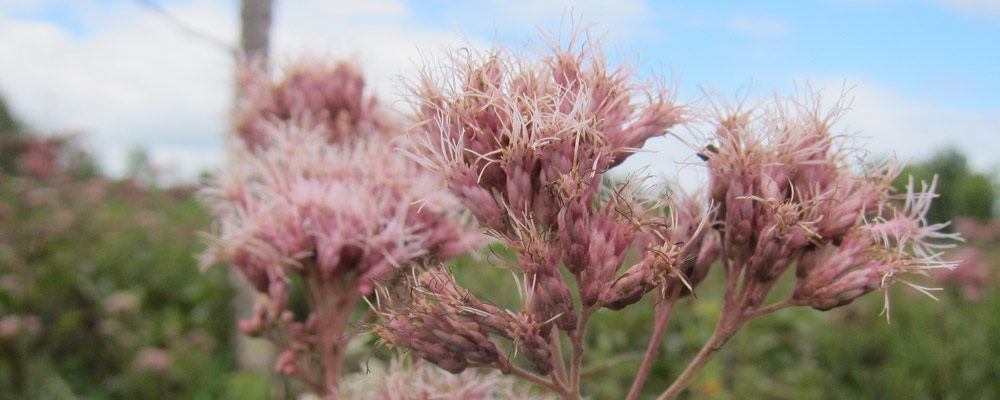
Although threatened, the Great Lakes marsh is considered one of the richest habitats on earth and continues to support high plant diversity, including substantial populations of the state-threatened Cup Plant and the state special concern Swamp Rose-Mallow.

One of the best ways to access the marsh is in a canoe or a kayak. Winding through the mysterious channels in a boat is a great way to spend an afternoon. Thanks to a grant from AEP, a new water trail will be constructed to enhance understanding of the marsh and its implications for the area. This water trail will make the marsh even more accessible to the public. Our partners for this project include the surrounding communities of The Preserve Association and The Riviera Homeowners Association. Currently, access docks are in New Buffalo across from the public beach and on Red Arrow Highway outside of town.

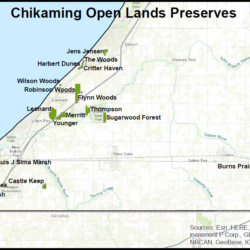
The boundaries and area surrounding the Louis J. Sima Great Lakes Marsh.

Marsh Restoration Program

The marsh is considered a high quality Great Lakes marsh. But its diversity and ecological value are being threatened by the invasion of exotic species as well as habitat loss from development and water quality issues.

COL received a grant from the Pokagon Fund to restore the marsh to its original glory and hired JFNew, a reputable ecological consulting service, to help create an invasive species management plan on the Sima Marsh. Together, we have developed a program of invasive species control and a reseeding  plan. Goals of the restoration project are to increase biodiversity and populations of native species; reduce invasive species; improve habitat for four threatened or endangered species; educate the community about invasive and native plants; and enhance the ecological function of the marsh in order to improve water quality.

You can download and read a pdf file containing the full Louis J. Sima Great Lakes Marsh Management Plan.

Restoration Update - May 2010

Upon receipt of an Aquatic Nuisance Control Permit from the Michigan Department of Environmental Quality (MDEQ), JFNew began invasive species control efforts on October 2, 2008. Selective herbicide treatments were performed on populations of common reed (Phragmites australis) and Japanese knotweed (Polygonum cuspidatum) within the 4 marsh properties owned by Chikaming Open Lands, The Preserve, Riviera, and Berrien County. Common reed populations were treated with a 2% glyphosate solution using backpack, hand wiping, and mobile spray units mounted on boat and ATV. Japanese knotweed was treated by backpack sprayer with a 5% solution of triclopyr.

Management tasks scheduled for 2009 included continued herbicide treatments to common reed and Japanese knotweed, introduction of purple loosestrife beetles, and site monitoring to assess ongoing restoration activities and impacts.

COL is now in the third year of a phased restoration program at the 156-acre Louis J. Sima Great Lakes Marsh. Results to date include an impressive 80% reduction in invasive Phragmites and a 95% reduction of Japanese Knotweed, far exceeding predictions. The Gallucerella beetles released in summer 2009 are expected to significantly reduce the invasive Purple Loosestrife. “We wish to recognize and thank our funding partners, including Berrien County, The Preserve, the Riviera Association, and especially The Pokagon Fund and the American Electric Power Foundation for their essential support of this major undertaking!” said Elizabeth Nellums, COL's Land Protection Specialist.

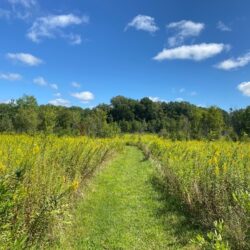
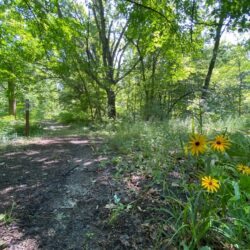
Pictures of the Louis J. Sima Great Lakes Marsh

Click a picture below to enlarge it in a new window:


All About COL

Chikaming Open Lands was founded in 1999 and for the first six years was an all-volunteer organization. more>>>
Voyageur Marsh Tour

Read About Our Work

Our most recent newsletters:

Spring 2010 Newsletter Summer 2009 Newsletter
 

more>>>

Protected Lands

Ten years ago, Chikaming Open Lands protected its first 5 acres. Today, COL has worked with landowners to protect nearly 1000 acres! more>>>Protected Lands

Upcoming Events

If it isn't winter, then there is bound to be a COL event just around the corner, offering an opportunity to tour preserves and share stories with land stewards. more>>>Voyageur Marsh Tour

Louis J Sima Marsh

In 2002, the Sima Family of New Buffalo donated 156 acres to create the Louis J. Sima Great Lakes Marsh. more>>>
Mike Jasper

Protect Your Land

More and more private landowners are deciding to work with COL to conserve the lands they love. more>>>
Mike Jasper

Photo Gallery

Join and Help Us Grow

Please join our effort to help protect the natural habitats of the Galien watershed. more>>>Help Us Grow

Become a Land Steward

Chikaming Open Lands works to maintain its land preserves to their full and natural beauty. You are encouraged to help with this very important task. more>>>
Help Us Grow