


Invasive Species Awareness
Posted on March 2, 2026
National Invasive Species Awareness Week occurs each February, raising awareness about invasive species, the threats they pose, and the actions that can be taken to prevent their spread. While the official "week" has passed, the fight against invasive species continues year-round. That work matters because invasive species cause serious ecological and economic harm: disrupting ecosystems, reducing biodiversity, and threatening native species with extinction. By outcompeting native plants and animals, preying on them, or introducing disease, invasives alter habitats and weaken entire ecosystems. Their impacts extend beyond the natural world as well, causing costly damage to agriculture, forestry, fisheries, infrastructure, and waterways.
As part of National Invasive Species Awareness Week, we asked the COL stewardship crew what invasives they battle most and what progress on COL Preserves they’re most proud of. Here’s what they had to say:
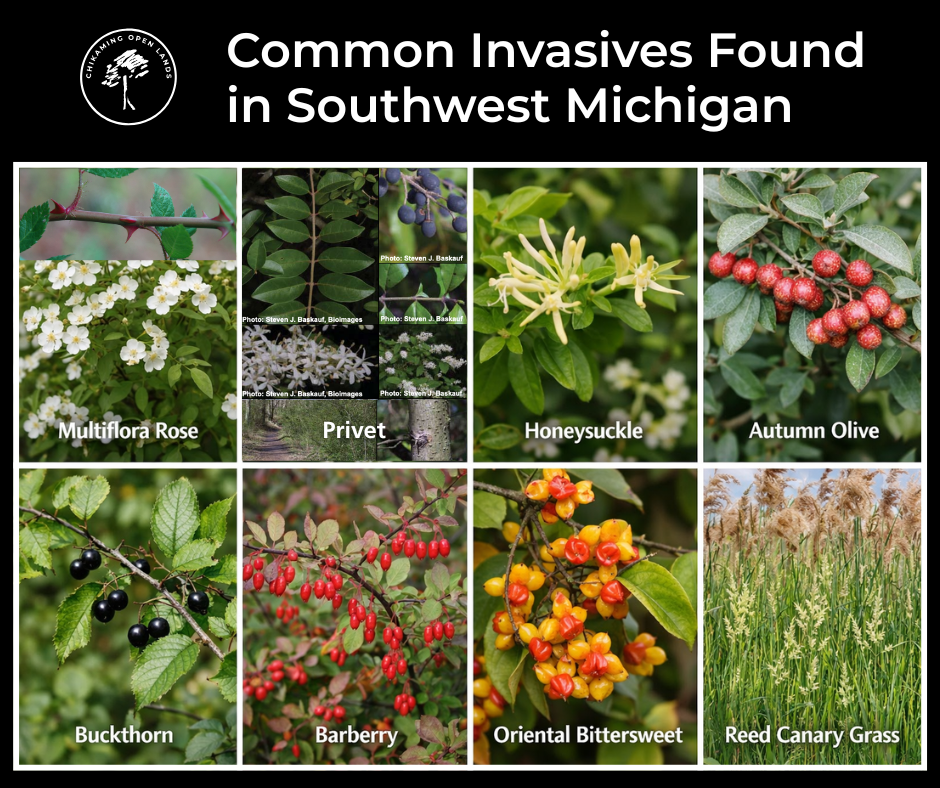
𝗢𝗻 𝘁𝗵𝗲 𝗺𝗼𝘀𝘁 𝗰𝗼𝗺𝗺𝗼𝗻 𝗶𝗻𝘃𝗮𝘀𝗶𝘃𝗲𝘀 𝘄𝗲 𝗯𝗮𝘁𝘁𝗹𝗲:
- Multiflora rose, privet, honeysuckle, autumn olive, buckthorn, barberry, oriental bittersweet, phragmites, reed canary grass. There are more, but those are the most common.
𝗢𝗻 𝘁𝗵𝗲 𝗺𝗼𝘀𝘁-𝗱𝗲𝘀𝗽𝗶𝘀𝗲𝗱 𝗶𝗻𝘃𝗮𝘀𝗶𝘃𝗲𝘀 (𝗮𝗻𝗱 𝘄𝗵𝘆):
- Alex: “Most despised is multiflora rose because it is painful and thinks it’s funny to take my hat… I’m really starting to dislike the autumn olive at Chris Thompson because it will NOT die.”
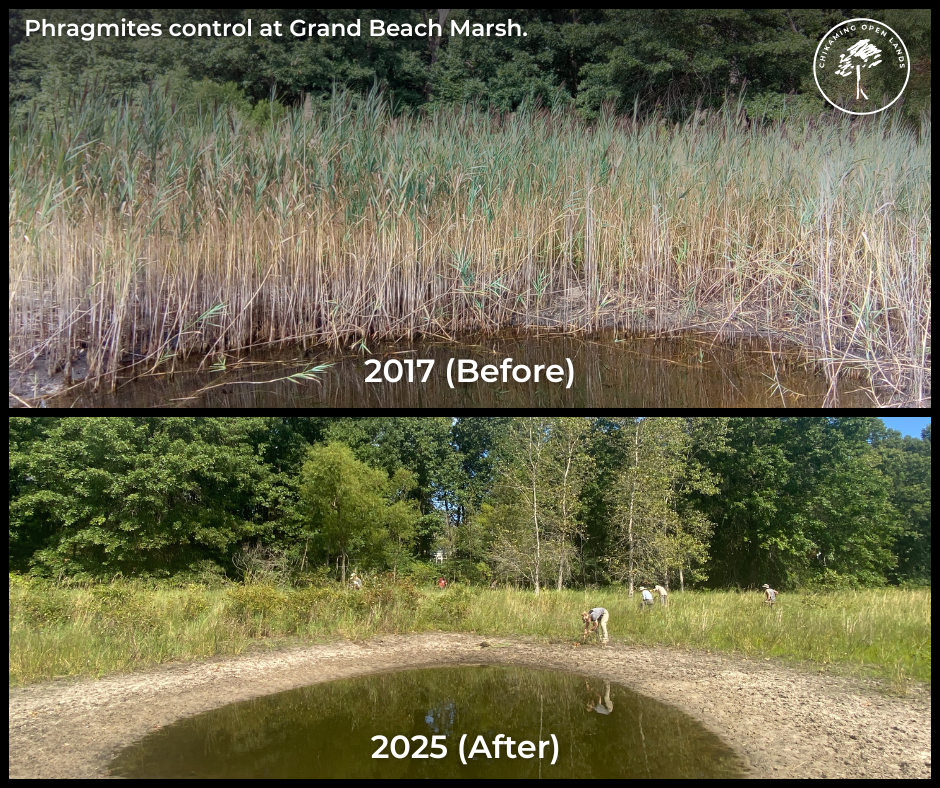
- Mandy: “Most despised is multiflora rose because it hurts and snags/rips clothes. Second would be phragmites… it can grow very tall (15+ ft) and dense, making it hard to walk through and treat.”
- Josh: "My second most-despised is not one I deal with at work, but has caused great cultural, economic, and environmental harm state wide. Zebra/Quagga mussels filter mass amount of Great Lakes water; reducing the food available to the early stages of many of our fishes like whitefish, lakers and walleye."
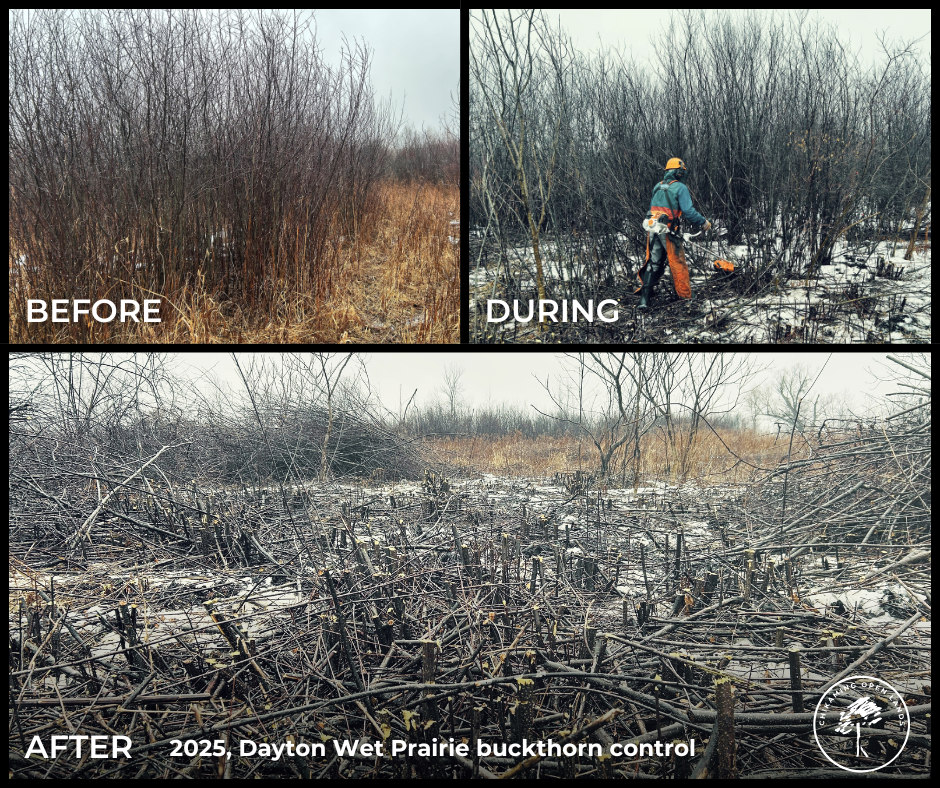
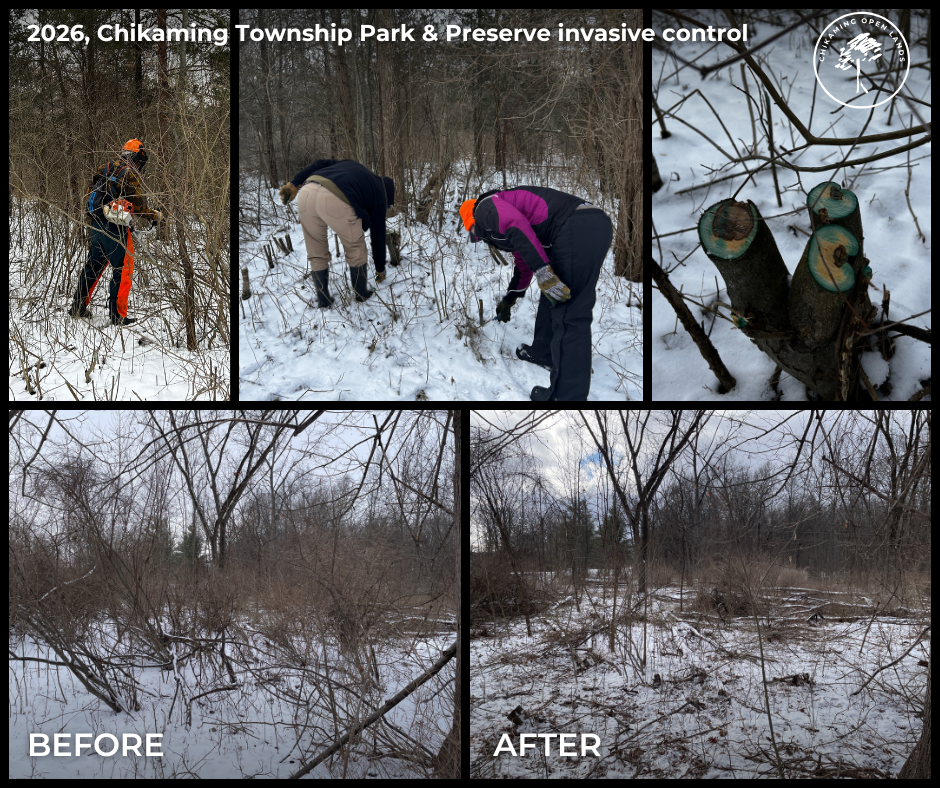
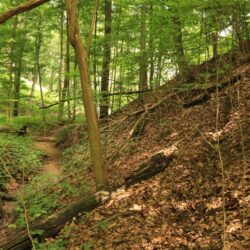
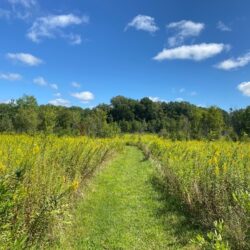
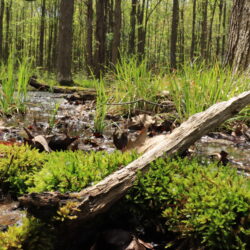
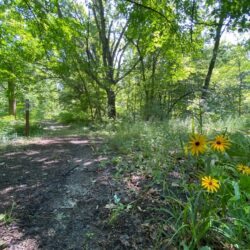
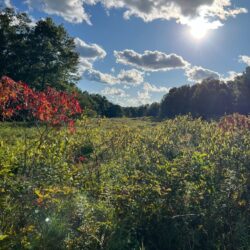
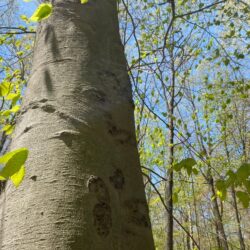
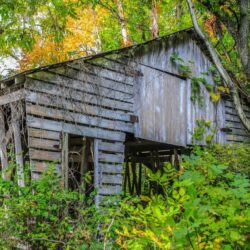
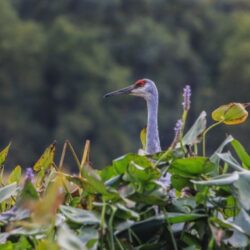
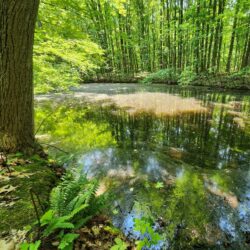
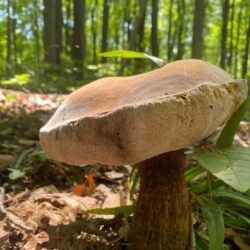
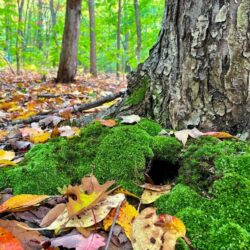
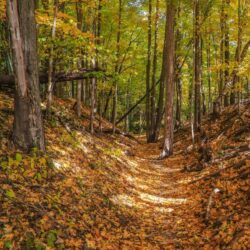
𝗢𝗻 𝘄𝗵𝗲𝗿𝗲 𝘁𝗵𝗲𝘆’𝗿𝗲 𝘀𝗲𝗲𝗶𝗻𝗴 𝗿𝗲𝗮𝗹 𝗽𝗿𝗼𝗴𝗿𝗲𝘀𝘀 (SEE PHOTOS BELOW):
- Dan: “The crew has made amazing progress at a number of properties! The first ones that come to mind are Dayton Wet Prairie, Leonard Wildlife Preserve, and Chris Thompson Memorial Preserve. The progress at these sites is noticeable and has come with a lot of blood (that would be the multiflora rose!), sweat, and tears (that would be perennially broken equipment!)."
During National Invasive Species Awareness Week and every week, we’re grateful for the dedication of our field staff and many supporters and volunteers who make this work possible!
Learn more about these (and other) invasives in the Michigan Natural Features Inventory Invasive Field Guide.